

(And Why “Support” Has to Mean More Than Just Listening)
A close friend reached out to me recently and asked a simple question:
“Do you know of any support groups?”
She didn’t ask dramatically.
She didn’t fall apart on the phone.
She asked the way doers ask.
You know the type. The people who don’t let the grass grow under their feet. The ones who research, plan, act, and keep moving forward even when their stomach is in knots.
She knows the uphill climb has started.
She knows it’s going to get harder.
And she’s scared.
Her husband’s diagnosis changed the landscape of their life. She can feel it. And she’s smart enough to know that waiting until things fall apart is not a strategy.
Here’s the truth most of us don’t want to admit:
No matter where you are in your life journey, you need people.
You need support.
You need someone who will listen.
You need someone who will tell you the truth without crushing you.
You need someone who can say, “Here’s what helped me,” not just, “I’m so sorry.”
Yes, sometimes you need to vent.
But you also need doers.
You need people who can sit with the hard stuff and help you take the next step forward.
When “Support” Doesn’t Feel Supportive
I’ve spoken with so many people over the years who tried a support group once…and never went back.
Why?
Because it felt like sitting in a room listening to one sad story after another.
No direction.
No tools.
No hope.
Just emotional exhaustion with free coffee.
And listen, sharing stories matters. Being heard matters. But if that’s all that happens, many people leave feeling worse than when they arrived.
They don’t need more reminders of how hard this is.
They’re living it.
What Real Support Can Look Like
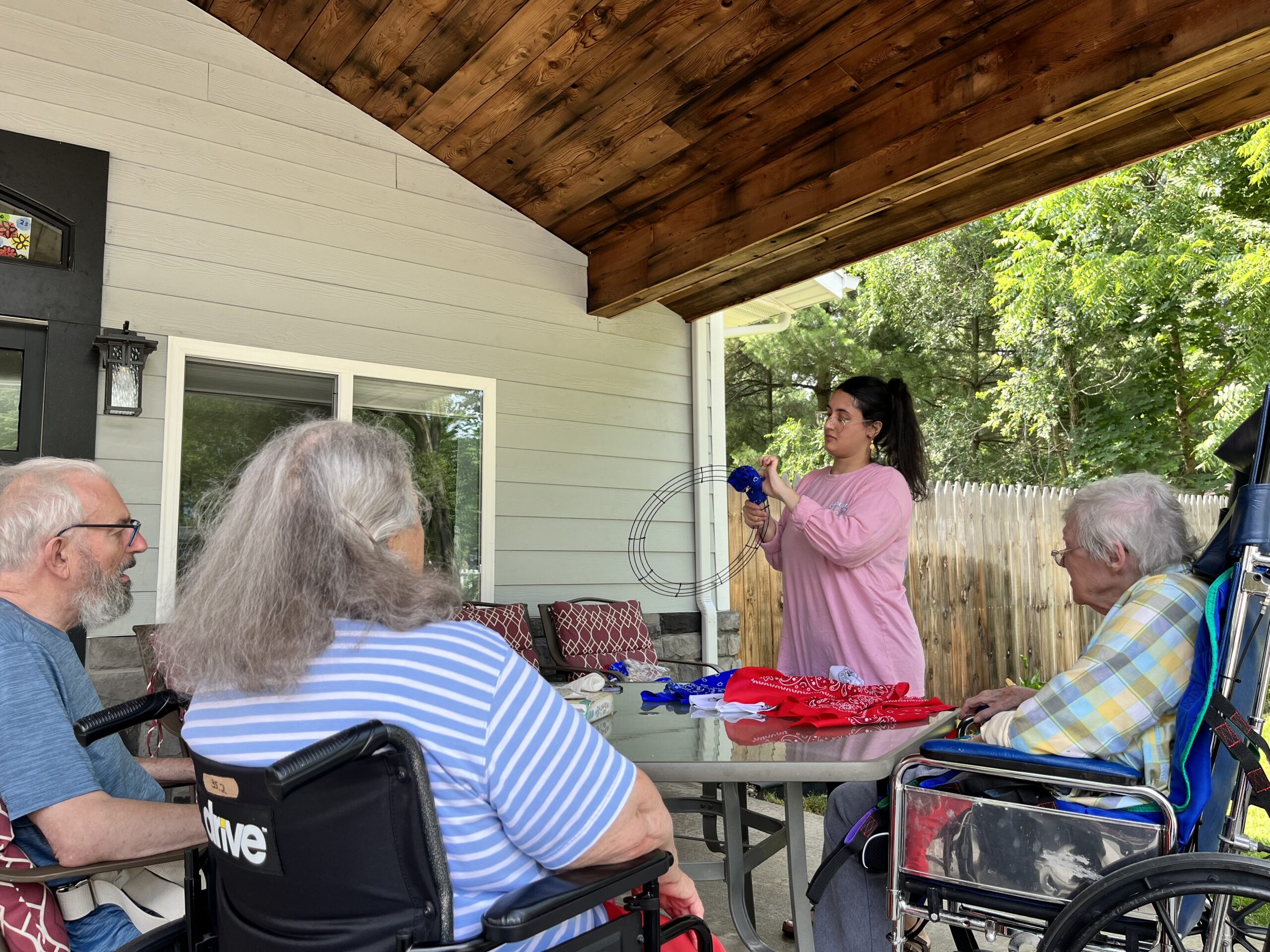
I once had the opportunity to attend a group that felt completely different.
Yes, there were stories.
Yes, there were tears.
But there was also:
Meaning–tangible, relatable and real
Connection–Real and physical
Discussion about love languages
Practical ways to communicate
Actionable steps to reconnect with the person you feel like you’re losing
People didn’t leave drained.
They left steadier.
Clearer.
More capable.
That kind of support doesn’t just listen.
It equips.
You Were Never Meant to Do This Alone
If you’re at the beginning of this journey, or even somewhere in the messy middle, hear this clearly:
Needing help does not mean you’re weak.
Looking for support does not mean you’re failing.
Planning ahead does not mean you’re giving up hope.
It means you’re paying attention.
And the right kind of community can make the difference between feeling constantly overwhelmed and feeling supported, prepared, and less alone.
In future posts, I’ll talk more about how to tell the difference between support groups that simply hold space and those that actually help you move forward.
If conversations like this matter to you, I share more insights, resources, and real-life guidance through my newsletter, Save Our Sanity Society. It’s a space built not just for listening, but for learning, connection, and taking meaningful steps forward—together.
You don’t have to climb this hill by yourself.
Know someone who needed to read this today
Share it with a friend who’s might be wondering the same thing but hasn’t said it out loud yet.
Looking for more resources? You can also check out our Care Readiness Checklist.
One place to start. A calmer way to think ahead.
Your partner in care,
Shelley