
Before we get into this story, here’s something I didn’t fully appreciate until recently.
Some of the most valuable occupational therapy learning doesn’t happen inside a clinic at all.
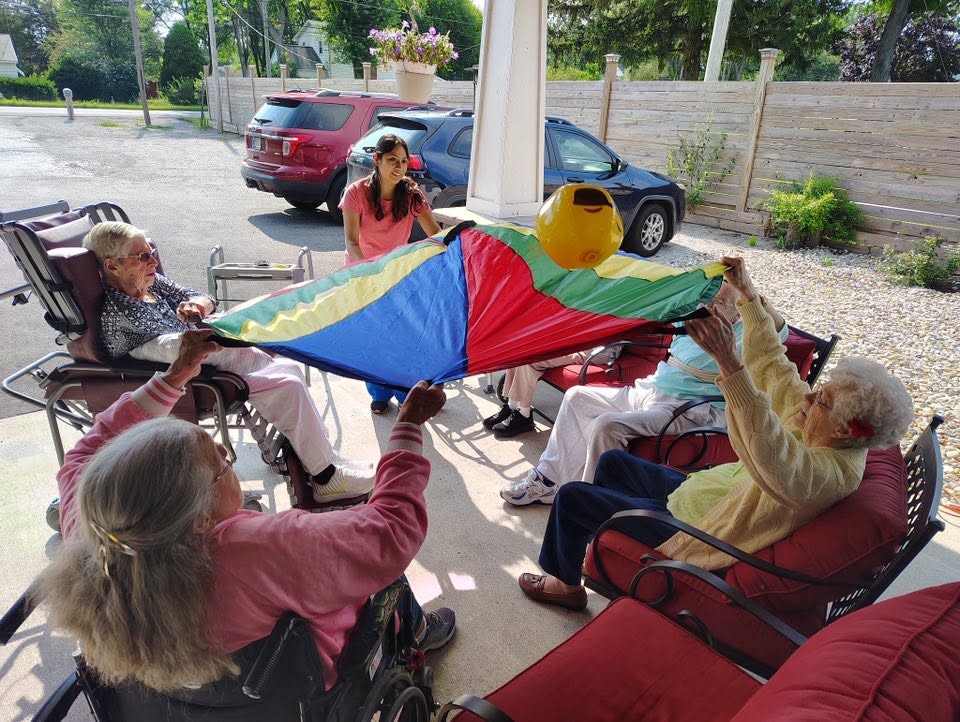
It happens in the messy, unpredictable, beautifully human environments where people actually live their lives.
How This Opportunity Came About
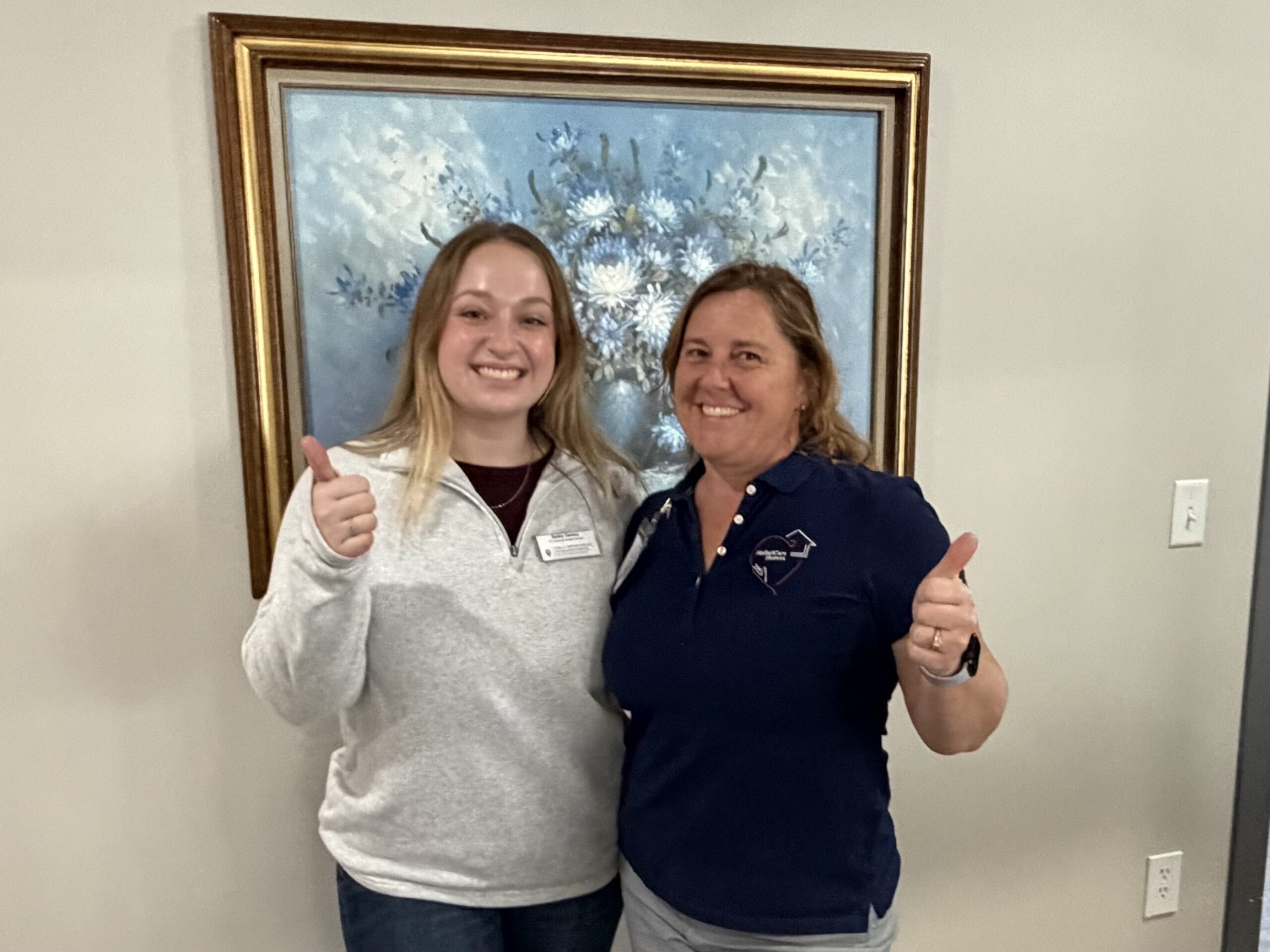
For the first time in my career, I recently accepted an occupational therapy master’s student for Level I fieldwork inside our residential senior living home.
Years ago when my husband and I operated an outpatient clinic, we were occasionally asked about taking students. But the timing never quite worked. Either we didn’t have enough consistent hours available, or the placements had already been filled.
So when this opportunity came around again, I decided it was finally time to say yes.
Why the School Was Looking for Non‑Traditional Placements
The occupational therapy program is intentionally expanding fieldwork placements into non‑traditional settings.
Many students graduate believing occupational therapy only happens in hospitals, rehab facilities, or outpatient clinics.
But occupational therapy has always been about something much bigger than that. It’s about helping people participate in meaningful daily life.
And meaningful life happens everywhere.
At First, It Felt Easy
At first, there was so much to observe—residents moving through their daily routines.
Meanwhile, environmental cues were quietly shaping independence in ways that were easy to miss at first glance.
Over time, cognitive and physical changes became more noticeable in how residents navigated their day.
But after about twenty hours, something interesting happened.
The experience became more challenging.
Because observation is only the beginning.
That’s When the Real Teaching Begins
Once the initial excitement wears off, the deeper questions begin.
Why did that resident respond that way?
What environmental cue influenced that behavior?
What modification might support better engagement?
To expand the learning experience, we scheduled several additional opportunities during her time here.
She observed home health OT visits and PT sessions.
Together, we worked on updating individualized resident programming.
She also completed observation and analysis assignments.
Additional expert interviews related to aging, cognition, and care were scheduled as well.
The Skills We Forget We’re Using
One of the most interesting parts of the experience for me was realizing how many professional skills we eventually begin to take for granted.
Occupational therapists spend years learning how to observe behavior, analyze movement, understand environmental influence, and identify barriers to participation.
After enough years in the field, those processes become automatic.
Working with a student reminded me how much thinking happens behind the scenes.
A Small Stroll Down Memory Lane
Supervising this student brought back memories of my own early fieldwork experiences.
Learning to observe carefully and ask better questions.
Also, learning that human behavior is rarely as simple as it appears.
Why Non‑Traditional Fieldwork Matters
Experiences like this reinforce something I believe strongly.
Occupational therapy doesn’t belong in just one type of building.
It belongs wherever people are living their lives.
Hospitals.
Homes.
Communities.
Sometimes the best learning happens when students step outside the traditional setting.
For Families Navigating Care and Aging
Every meaningful care environment starts the same way—before it is polished, before it is finished, before anyone else can see the vision clearly.
It starts with people willing to look past what something is right now… and see what it could become.
That is often what caregiving feels like too.
If you found yourself connecting with this story of building something from the ground up—through uncertainty, repetition, and a lot of trial and error—you may also appreciate these reflections:
“There’s No Place Like Home… Until Home Becomes a Cage”
A closer look at how the idea of “home” can shift over time, and how environment quietly shapes independence, safety, and emotional well-being as people age.
“That Little White House”
A founding-era reflection on what it means to build spaces that feel personal, intentional, and truly supportive—not just functional, but meaningful.
And if you’d like to continue receiving reflections like this—on caregiving, aging, environment, and what it means to support people in more human-centered ways—you can join the free tier of our Care Partner Membership below.
Learn more about our Care Partner Membership here
Your partner in care,
Shelley