Frequently Asked Questions
What Families Really Want to Know
Straight answers about daily life, changing needs, communication, and cost
You are not just choosing a room or a list of services. You are deciding who will notice the small changes, protect your loved one’s dignity, and help your family breathe again. These are the answers we would want if we were sitting in your chair.
Will my loved one be known as a person—not managed like a task?
That is the heart of our home. We learn the details that make your loved one who they are: the routines that settle them, the stories they repeat, what makes them laugh, how they like their coffee, and when they need quiet. That knowledge guides how our Care Partners approach each day, so support feels personal—not institutional.
What will an ordinary day actually feel like?
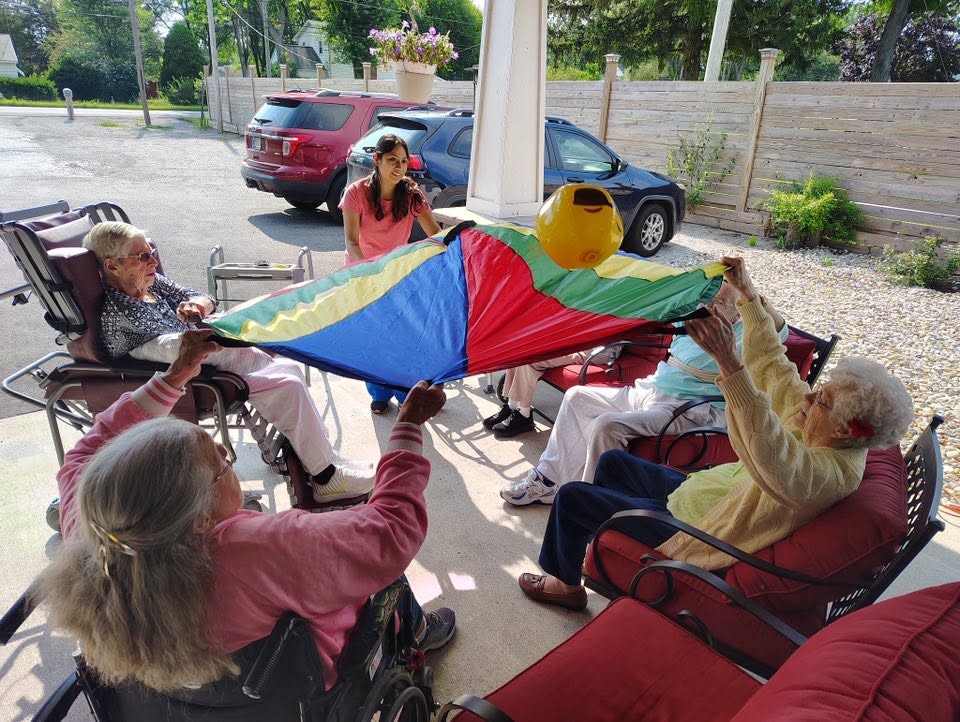
There is rhythm without rigidity. Residents can join daily exercise, meaningful activities, individualized engagement, volunteer visits, on-site entertainment, and weekly outings when weather and individual needs allow. The goal is not to keep someone busy. It is to help them feel useful, connected, comfortable, and still like themselves.
Will I still have to coordinate everything myself?
You should not have to remain the full-time project manager after your loved one moves in. We help coordinate appointments and transportation, support virtual medical visits, communicate changes, and work alongside the providers your family chooses. You stay involved and informed without having to carry every detail alone.
How will you support medications and medical needs safely?
Your family may choose who fills the medication box: a family member, an outside provider, hospice, or Seifert Drug’s pill-minder program. Our Care Partners provide reminders and cues for medications that have already been organized; our team does not fill medication boxes. Families may keep their preferred primary care provider, and we can coordinate with in-home providers or the hospice of your choice. We will explain exactly what we can do, what requires a clinical provider, and who will contact you when something changes.
What happens if my loved one gets sick or temporarily needs more help?
A fall, infection, hospitalization, or medication reaction does not automatically trigger a permanent care-level or rate change. We allow a reasonable recovery window, provide the needed support within our capabilities, and watch for a return to prior function. Aging is not a straight line, and one hard week should not be treated like a permanent new baseline.
What if their needs truly change over time?
We notice day-to-day changes and formally reassess at least every six months—or sooner when needed. If there is a lasting change, we review the assessment with you, explain the support we recommend, and answer your questions before a new care partnership level or rate takes effect. If therapy or recovery restores independence, the level and corresponding rate may move back down. Our goal is the highest level of safe independence—not automatically more care.
Am I going to be surprised by added costs?
No one should receive a confusing increase during an already stressful season. Before move-in, we walk through the base rate, the support level, what is included, and what could change the rate later. Long-term changes in care needs and broader increases in labor, insurance, or goods can affect pricing, but we communicate changes in advance. We accept private pay and long-term care insurance; we do not accept Medicaid.
Who is there, and what happens in an emergency?
We typically schedule two Care Partners per shift, with one Care Partner overnight. A manager, supervisor, team leader, or owner is on-site at least twice each week and remains part of the communication and support structure. Our team follows response protocols for emergencies and health changes, with prompt family communication. During your visit, ask us to walk you through exactly what happens from the first concern to the family update.
Will my loved one have privacy and still feel part of a home?
Every resident has a private room and access to two shared bathrooms. Basic furniture—including a dresser, nightstand, hospital bed, or electric recliner—may be available if helpful. Outside the bedroom, the home is intentionally small and familiar, making it easier to build relationships, notice changes, and share everyday moments without the feel of a large facility.
Could my loved one ever have to move again?
We want this to be home for as long as we can safely meet your loved one’s needs. A move would be considered if 24/7 skilled nursing care became necessary, the resident became a danger to themselves or others, or payment transitioned to Medicaid, which we do not accept. We will be honest about our capabilities from the beginning and communicate early if needs begin to exceed them.
How do I stay connected—and who receives updates?
You remain part of your loved one’s life here. Residents may use the home phone at 574-564-5355, and we can help with a personal cell phone or iPad as needed. Visiting hours are generally 9:00 a.m.–8:00 p.m. Because meals are served family-style and dining-room space is limited, we ask families not to visit during meals unless bringing a meal to share in the four-season room. To protect privacy, health updates and care-change requests go to the designated Power of Attorney unless that person provides written authorization for someone else.
Want to download a copy of our FAQs? Download Here
Not sure where to start?
If you’re just starting to notice changes at home → Care Readiness Checklist
If you’re actively touring or comparing options → Visit Prep Kit
If you’re already in decision mode and need support → Grab & Go Starter System