
The Reality of Care Coordination After Hospitalization
The fracture took seconds. The aftermath consumed the whole family. Care coordination after hospitalization became the unexpected challenge no one prepares families for.
Most people think the hard part is the fracture. It isn’t. The hard part is what happens after. The phone calls, missing information, and referrals nobody followed through on.
Appointments that were never actually scheduled.
Equipment that arrived without explanation or instructions.
Transportation challenges nobody warned families about.
The horrifying realization that exhausted family members are the ones holding the healthcare system together while trying not to collapse in public.
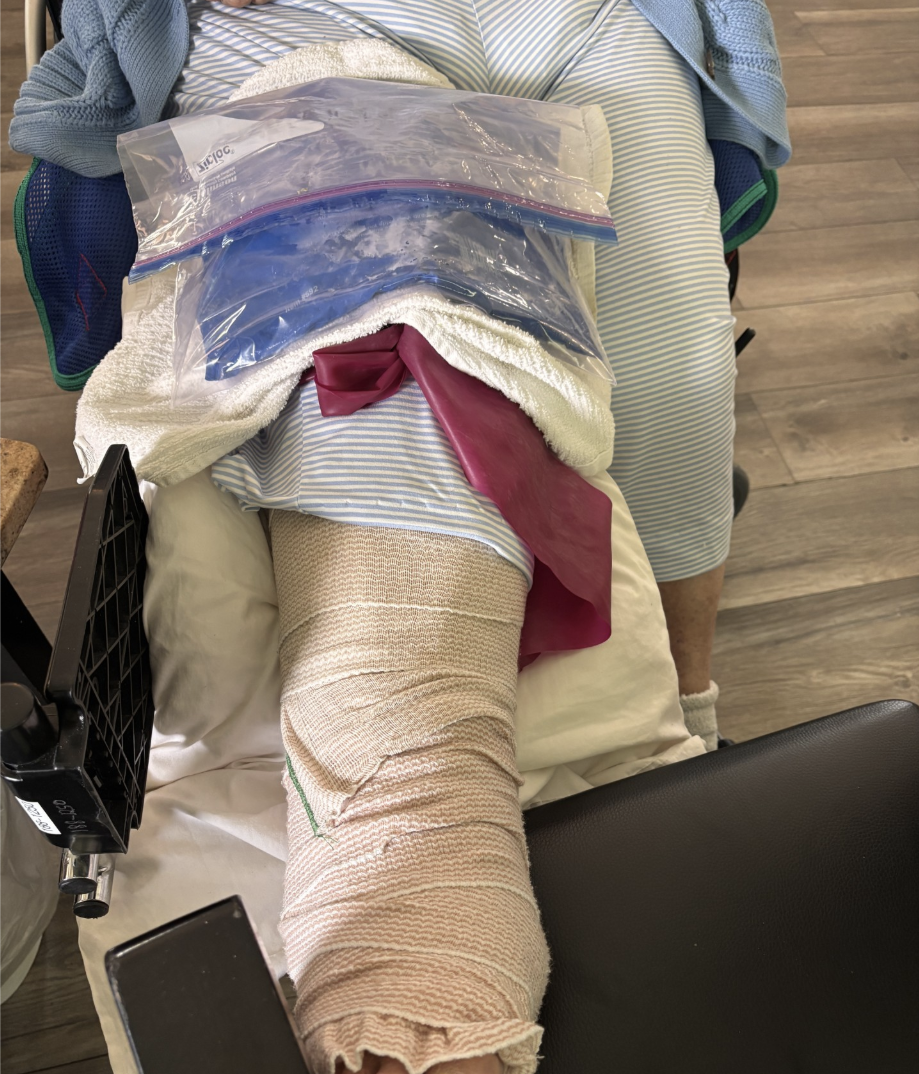
One of our residents recently fell when her knee gave out during a transfer. She suffered a tib/fib fracture and spent over a week in the hospital. Almost instantly, her sons got pulled into a full-time crisis management job they never applied for.
One son told me: “I get up at 7:30, have breakfast, head to the hospital, and stay there until 7 p.m.” Every day.
The other son had recently undergone surgery himself and was still helping make calls, coordinate equipment, track information, and figure out what was happening.
Both sons felt exhausted, not just “a little stressed.” It’s the kind of exhaustion where your brain stops working correctly. You reread the same text message four times and still don’t absorb it.
Suddenly, your entire life becomes:
– hold music
– voicemail trees
– passwords
– paperwork
– repeated explanations
– waiting for callbacks that never come
And to make matters worse? The hospital room barely had service. Communication was constantly interrupted.
Calls dropped constantly.
Text messages arrived late or not at all.
Updates became fragmented and difficult to track.
Even simple communication became difficult.
Imagine trying to coordinate a medical crisis while standing in a communication dead zone for twelve hours a day. That alone was enough to push everyone over the edge.
Families Think the System Is Connected
…until they experience it firsthand. That’s when families discover how much care coordination after hospitalization actually requires—often becoming the person responsible for connecting every piece of the puzzle.
Families assume:
– appointments automatically get scheduled
– referrals automatically get sent
– transportation gets coordinated
– therapy follows through
– discharge instructions are accurate
– departments communicate with each other
Sometimes they do and sometimes they absolutely do not. And families don’t discover the cracks until they are already overwhelmed, sleep deprived, emotionally flooded, and terrified of making the wrong decision.
That is exactly what happened here.
The Hospitalization Was Hard. The Discharge Was Worse.
Once she returned home, the chaos multiplied. Therapy had supposedly been ordered, yet four days later, there was no call from home health, no therapy scheduled, no clear communication, and no updates.
The discharge paperwork stated that she had an orthopedic appointment scheduled for two weeks later. Wonderful.
Except there was:
– no time
– no location
– no confirmation
The paperwork also indicated she needed X-rays before the appointment. Where? When? Scheduled by who? Transported by who?
Nobody seemed to know.
Meanwhile she could no longer safely transfer into a vehicle which meant the family suddenly had to figure out transportation services too.
Because apparently after a hospitalization, families are expected to become:
– case managers
– schedulers
– insurance navigators
– transportation coordinators
– equipment specialists
– communication liaisons
– emotional support systems
All while pretending they are functioning normally.
Then Came The Equipment Problems
The family wanted the external catheter system she had successfully used in the hospital—a completely reasonable request.
Except nobody explained how to get it, where to order it, what system it even was, whether insurance covered it, or how to set it up.
Once again, the family stood in the middle of confusion, trying to piece everything together themselves.
This is the stuff that drains people dry. Not just one giant catastrophic event, but a thousand little unresolved problems piling up hour after hour after hour.
This Is Where I Shine
Not because I have magical powers, but because I know where the system breaks. Effective care coordination after hospitalization means knowing what questions to ask, who to contact, and what steps need to happen before small gaps become major problems.
I know where referrals disappear, which agencies communicate well, which ones operate like a black hole, and which therapists actually help older adults thrive and which ones just check boxes and disappear.
Not all home health agencies are created equally, not all therapists are created equally, and not all discharge planning is created equally.
Families often think: “Surely someone handled this.”
That assumption alone causes enormous problems, so I started making calls.
I contacted the home health agency we actually wanted involved, but the request was initially denied.
Why? The agency was at capacity, and the referral came from an outside hospital. Classic healthcare shuffle.
So I pivoted. I contacted the PCP because the agency would likely accept orders from him instead of the hospital referral.
Then I called orthopedics, and this is where things became unbelievable. She didn’t even have an appointment. Despite the discharge paperwork clearly implying she did.
Imagine waiting two weeks believing follow-up care was scheduled only to discover nobody ever actually made the appointment. This is exactly why families feel like they are drowning.
So I scheduled it and confirmed the date, time, location, and that the X-rays would happen THERE and not beforehand like the discharge paperwork implied.
Then I called transportation services. Approved. Scheduled. Done. One by one, the spinning plates started slowing down, and you could physically feel the pressure leaving the room.
Not because the family stopped loving her or because they “calmed down.” Because someone finally stepped in and started connecting the dots before the entire system collapsed on top of them.
Families Are Carrying The Healthcare System On Their Backs
That’s the truth. Without proper care coordination after hospitalization, families often find themselves managing a complicated system without the information, resources, or support they need.
The invisible labor families carry during and after hospitalization is staggering.
The scheduling.
The follow-up.
The advocacy.
The note-taking.
The communication.
The coordination.
The emotional regulation.
It becomes a second full-time job overnight.
And most families are wildly underprepared for it.
Not because they are incapable.
Because nobody teaches people how to navigate this until they are already standing in the middle of the storm.
This Is Why Preparedness Matters
By the time most families recognize how fragmented the system can be, exhaustion, overwhelm, and pressure have already taken over while they make major decisions.
That is exactly why I teach families to become prepared BEFORE the crisis hits.
Not panicked.
Prepared.
Because when you already know:
– who to call
– what questions to ask
– what commonly falls through the cracks
– how discharge planning actually works
– how to coordinate services
– what support systems exist
– how to advocate effectively
…the entire experience changes.
Not perfect. But survivable. And sometimes the greatest gift you can give your family is not waiting until the crisis happens to figure everything out.
Prepared Daughter Survival Kit
Don’t Wait Until the Crisis to Figure It Out
A hospitalization can change everything overnight. Suddenly, families are expected to navigate appointments, referrals, equipment, transportation, and care decisions without a roadmap.
Download the Prepared Daughter Survival Kit and start learning how to navigate the system before you’re forced into it overnight.
Grab & Go Starter System
When a medical crisis happens, families are often left trying to track down medications, appointments, provider information, discharge paperwork, and important care details all at once.
The Grab & Go Care Starter System helps you organize the information you need before you need it—so you can spend less time searching and more time supporting your loved one.
Get your Grab & Go Care Starter System and start preparing before the next unexpected moment happens.
Your partner in care,
Shelley